
Peripheral Artery Disease (PAD) Treatment in Fort Lauderdale
What Is
Peripheral Artery Disease?
Leg pain, cramping, and numbness are common signs of Peripheral Artery Disease (PAD), a condition affecting millions of Americans. At Fox Vein & Laser Experts in Fort Lauderdale, our renowned peripheral artery disease doctor, Dr. Adam Gropper, specializes in advanced, minimally invasive treatments, including atherectomy for PAD, to restore blood flow, relieve symptoms, and help patients return to their normal activities.
PAD occurs when arteries in the legs become narrowed by a buildup of plaque (atherosclerosis), reducing blood flow to the lower limbs. If left untreated, it can lead to severe pain, non-healing wounds, and even amputation. Our dedicated team offers cutting-edge PAD treatment options designed to clear these blockages and improve your circulation and overall quality of life.

Common Symptoms
of Peripheral Artery Disease
Recognizing the signs of PAD is the first step toward getting effective treatment. If you experience any of the following, it may be time to see a PAD doctor:
- Painful cramping in your hips, thighs, or calf muscles after activity (claudication)
- Leg numbness or weakness
- Coldness in your lower leg or foot, especially when compared with the other side
- Sores on your toes, feet, or legs that won’t heal
- A change in the color of your legs
- Hair loss or shiny skin on your feet and legs
- Slowed toenail growth
- No pulse or a weak pulse in your legs or feet
Request an Appointment
PAD Treatment Options
Atherectomy vs. Other Procedures
Choosing the right peripheral vascular disease treatment depends on the severity and location of your arterial blockage. Dr. Gropper will evaluate your condition and recommend the best approach for you. Here’s a comparison of common treatments:
| Feature |
Atherectomy
|
Angioplasty & Stenting | Surgical Bypass |
|---|---|---|---|
| Invasiveness |
Minimally Invasive
|
Minimally Invasive | Highly Invasive |
| Anesthesia |
Local Anesthesia + Moderate Sedation
|
Local Anesthesia + Moderate Sedation | General Anesthesia |
| Recovery Time |
Days
|
Days | Weeks to Months |
| Hospital Stay |
Outpatient (Same Day)
|
Outpatient (Same Day) | Multiple Days |
| Mechanism |
Physically removes plaque
|
Compresses plaque, may place a scaffold | Reroutes blood flow around the blockage |
| Best For |
Hard, calcified plaque; complex blockages
|
Softer plaque, focal stenoses | Long, complete blockages; failed endovascular treatment |
| Risks |
Low
|
Low | Higher |
What is Atherectomy for PAD?
Atherectomy is a highly advanced, minimally invasive procedure designed to physically remove plaque from within the artery. Unlike angioplasty, which just pushes plaque aside, atherectomy debulks the artery, clearing the blockage to restore blood flow. This is particularly effective for treating hard, calcified plaque that may not respond well to balloons or stents.
There are several types of atherectomy devices our peripheral artery disease doctor in Fort Lauderdale may use:
- Directional Atherectomy: Uses a tiny rotating blade to shave plaque off the artery wall, which is then collected and removed.
- Orbital Atherectomy: A diamond-coated crown spins and orbits, essentially sanding away hardened, calcified plaque.
- Laser Atherectomy: A specialized laser vaporizes the plaque, turning it into tiny particles that are safely absorbed by the body.
By removing the plaque, atherectomy can create a wider, smoother channel for blood to flow through, often without the need for a permanent implant like a stent.
How is PAD Treated at Our Clinic?
Our PAD treatment procedures are performed on an outpatient basis, typically taking less than two hours. Under moderate sedation for your comfort, Dr. Gropper will make a tiny incision, usually in the groin or foot, to access the artery. A thin catheter is then guided through your arteries to the site of the blockage.
Using advanced imaging, the atherectomy, angioplasty, or stenting device is precisely positioned. If atherectomy is performed, the plaque is carefully removed. In many cases, it is followed by a drug-coated balloon angioplasty to prevent the artery from re-narrowing. Patients go home the same day with only a small bandage and can typically resume normal activities within a few days.
This minimally invasive approach is a cornerstone of modern peripheral vascular disease treatment, offering an effective alternative to major surgery and helping patients avoid amputation.
Patient
Testimonials
Meet Our Lead Physician
Dr. Adam Gropper MD, FSIR, FCIRSE
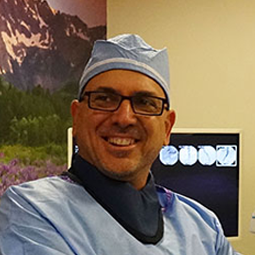
Our team is led by Dr. Adam Gropper, a renowned interventional radiologist with extensive experience in complex vascular procedures. He brings academic-level expertise to our Fort Lauderdale clinic, ensuring every patient receives the highest standard of care.
Frequently Asked Questions (FAQs)
About PAD Treatment
What is the best PAD treatment?
The best treatment depends on your specific condition, including the location and severity of the blockage. Dr. Gropper will perform a thorough evaluation to determine if atherectomy, angioplasty, stenting, or another approach is right for you.
Is atherectomy for PAD safe?
Atherectomy is a safe and effective procedure when performed by an experienced PAD doctor. While all medical procedures have risks, the risks associated with modern atherectomy are low. Clinical studies have shown its safety, though it may not be the first-line treatment in all cases.
How long does the procedure take?
Most endovascular PAD treatments, including atherectomy, are completed in under two hours.
When will I see results?
Yes. The primary goal of PAD treatment is to restore blood flow to the lower limbs, which can prevent the progression of the disease to Critical Limb Ischemia (CLI), heal wounds, and ultimately prevent the need for amputation. For more information, you can visit the Florida Department of Health.
What are the alternatives to atherectomy?
Alternatives include medical management (medication and lifestyle changes), supervised exercise therapy, balloon angioplasty, and stenting. For severe cases, surgical bypass may be an option. Our team can help you find the best PAD treatment in Fort Lauderdale for your needs.
For more information on vascular health, you can visit the National Institutes of Health’s National Heart, Lung, and Blood Institute.